Common Symptoms of Heart Blockage in Men and Women
Heart blockage is becoming a common health problem among both men and women in India. Many people ignore the early warning signs because the symptoms may look simple in the beginning. Understanding the Common Symptoms of Heart Blockage in Men and Women can help in early diagnosis and timely treatment. A blocked artery can reduce blood flow to the heart and increase the risk of heart attack, chest pain, and other serious heart conditions.
According to experienced cardiologist Dr Amit Patil, recognizing early symptoms and getting the right heart test at the right time can save lives. If you are experiencing heart-related symptoms, consulting an experienced Interventional Cardiologist is very important.
What is Heart Blockage?
Heart blockage happens when the arteries supplying blood to the heart become narrow due to fat, cholesterol, or plaque buildup. This condition is also called coronary artery disease. When blood flow becomes restricted, the heart muscles do not receive enough oxygen.
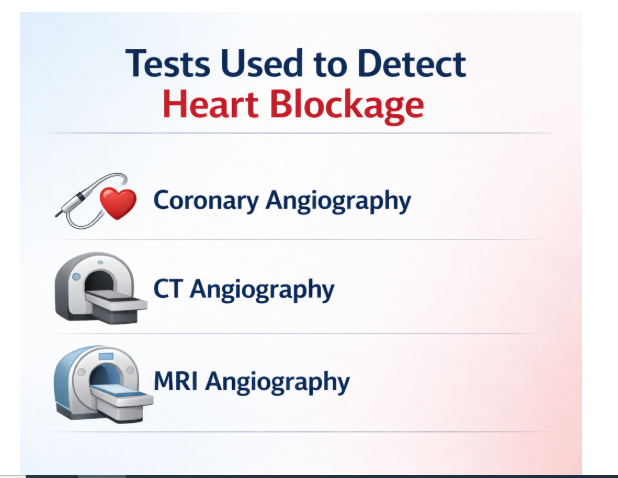
Many patients may require tests like Coronary Angiography in Mumbai CT angiography, or MRI angiography to identify the severity of blockage.
Common Symptoms of Heart Blockage in Men
Men usually experience more noticeable symptoms of heart blockage. Some common warning signs include:
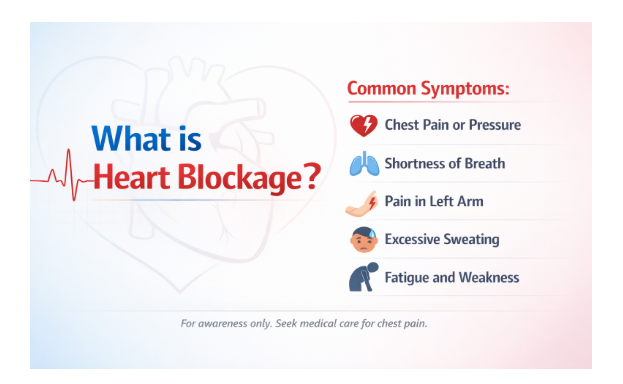
1. Chest Pain or Pressure
Chest pain is one of the most common symptoms. It may feel like heaviness, tightness, squeezing, or burning sensation in the chest.
2. Shortness of Breath
Difficulty in breathing while walking, climbing stairs, or doing daily activities may indicate poor blood circulation to the heart.
3. Pain in Left Arm
Pain spreading from the chest to the left arm, shoulder, neck, or jaw can be an early symptom of blocked arteries.
4. Excessive Sweating
Sudden sweating without physical activity can be a warning sign of heart disease.
5. Fatigue and Weakness
Men may feel unusually tired even after taking proper rest.
If these symptoms are ignored, the blockage can become severe and may lead to a heart attack.
Common Symptoms of Heart Blockage in Women
Women often experience different symptoms compared to men. Because of this, many heart problems in women remain undiagnosed for a long time.
1. Unusual Tiredness
Extreme fatigue without any major reason is one of the most common symptoms in women.
2. Nausea or Indigestion
Women may experience stomach discomfort, acidity, or nausea before a heart-related event.
3. Back or Jaw Pain
Pain in the upper back, neck, or jaw can indicate heart blockage in women.
4. Dizziness
Feeling dizzy or lightheaded regularly should not be ignored.
5. Mild Chest Discomfort
Women may not always experience severe chest pain. Instead, they may feel mild discomfort or pressure.
Understanding these symptoms helps in getting early treatment and reducing complications.
Risk Factors for Heart Blockage
Several lifestyle and medical conditions increase the risk of heart blockage:
High cholesterol
High blood pressure
Diabetes
Smoking
Obesity
Stress
Lack of exercise
Family history of heart disease
People with these risk factors should go for regular heart checkups.
Tests Used to Detect Heart Blockage
Doctors may recommend different diagnostic tests to check heart blockage severity.
Similarly, the Angiography test price in Mumbai may vary depending on whether it is CT angiography, MRI angiography, or conventional angiography. Understanding the cost of Angiography in advance helps patients plan their treatment better.
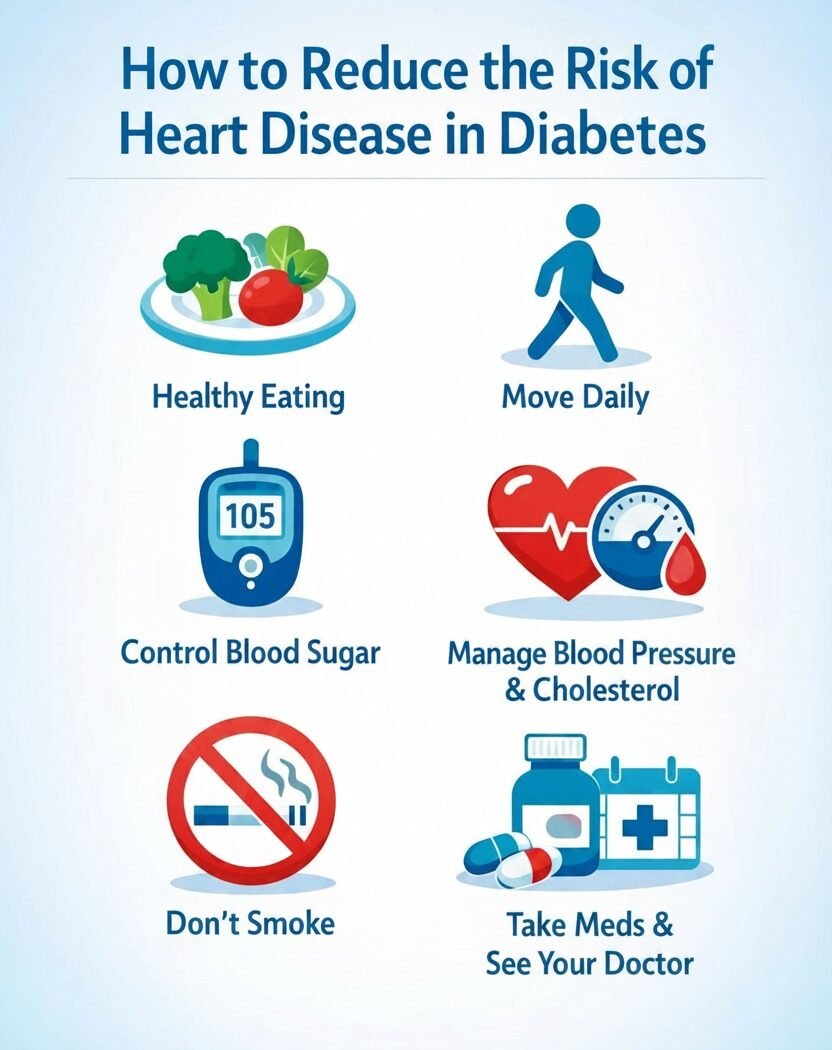
Tips to Prevent Heart Blockage
Prevention is always better than treatment. Follow these simple tips to keep your heart healthy:
Understanding the Common Symptoms of Heart Blockage in Men and Women is essential for early diagnosis and treatment. Symptoms like chest pain, fatigue, shortness of breath, dizziness, and unusual sweating should never be ignored. Men and women may experience different warning signs, so awareness is important.
If you notice any heart-related symptoms, consult Dr Amit Patil for expert guidance and timely treatment. Early heart screening and advanced tests like angiography can help detect blockages before they become dangerous.