Water is essential for life, but many people do not realize exactly How Dehydration Affects Your Heart. When you lose more fluids than you take in through sweating, breathing, and daily bodily functions, your body begins to struggle. Your heart, being the central pump of your entire system, bears a significant portion of this stress. Whether you are perfectly healthy, an athlete, or someone managing pre-existing cardiac conditions, understanding the link between daily water intake and cardiovascular health is vital. In this comprehensive guide, we will explore the science behind hydration and heart function, symptoms to watch for, and expert tips for a healthier life.
Dehydration reduces your overall blood volume, causing your blood to become thicker. To keep oxygen and nutrients flowing to your organs, your heart is forced to beat faster and pump harder. This increased strain can lead to heart palpitations, blood pressure fluctuations, and a higher risk of blood clots.
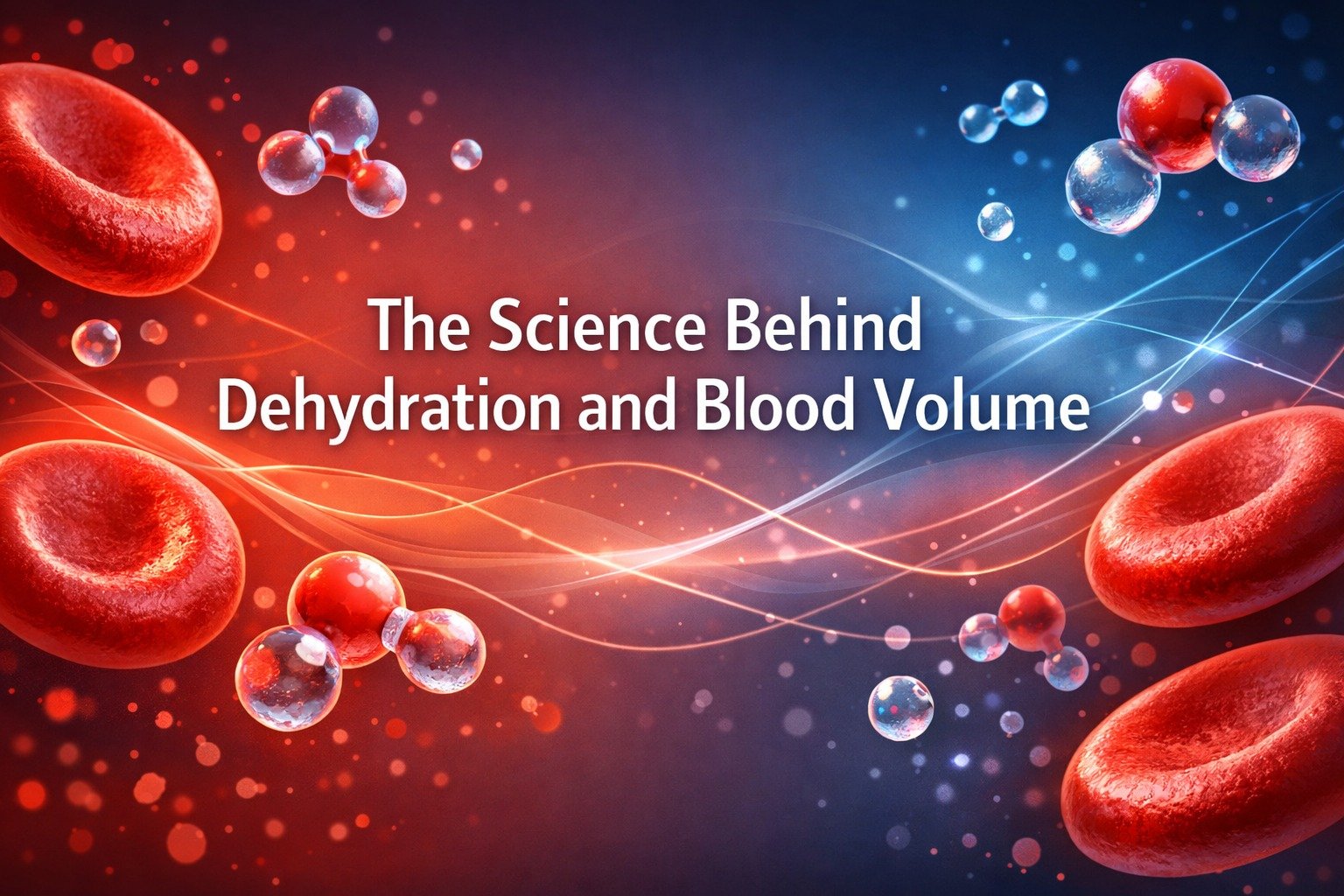
To understand the strain on your heart, you first need to understand blood volume. Your blood is composed of roughly 90% water. When you are dehydrated, the total volume of blood circulating through your body drops significantly. Less water means less fluid volume within your blood vessels.
To compensate for this sudden drop in volume, your body enters a state of mild panic. Your heart has to beat faster and work much harder just to supply the same amount of oxygen and essential nutrients to your brain, muscles, and vital organs. Furthermore, the lack of water makes your blood thicker, stickier, and more concentrated. Pumping thick blood requires far more effort than pumping well-hydrated, fluid blood. This constant extra effort places unnecessary daily wear and tear on your cardiovascular system.
When you fail to drink enough water, your heart sends out several warning signs. Here are the primary ways dehydration affects your cardiovascular system:
Yes, severe dehydration can indirectly increase the risk of a heart attack, especially in individuals who already have underlying heart disease. Because dehydration causes the blood to thicken, it becomes much more prone to clotting. Blood clots are incredibly dangerous when they travel through the bloodstream.
If a clot forms and travels to an already narrowed coronary artery, it can easily become stuck. When a clot completely blocks the blood flow to the heart muscle, it results in a myocardial infarction, commonly known as a heart attack. This is why staying consistently hydrated is not just a comfort measure; it is a critical part of preventative cardiac care. If you experience sudden chest pain, severe shortness of breath, or pain radiating to your arm or jaw, seek emergency medical attention immediately.
If you are experiencing ongoing heart palpitations, shortness of breath, or chest discomfort, consulting a cardiac expert is the safest and most important step you can take. Dr. Amit Patil is widely recognized as the best cardiologist for angioplasty in Mumbai His extensive clinical experience, combined with a patient-first approach, ensures that you receive the highest standard of personalized cardiac care.
When diagnostic tests reveal arterial blockages that require intervention, knowing your options is crucial. Many patients seek a highly rated angioplasty specialist in Mumbai to handle delicate, life-saving procedures safely. Furthermore, choosing the best hospital for angioplasty in Mumbai guarantees that you have access to modern medical infrastructure, sterile environments, and advanced cardiac technology.
Under the expert hands of Dr. Amit Patil, who is considered a Best angioplasty surgeon in Mumbai patients consistently experience safe, effective treatments for blocked arteries. His expertise minimizes recovery time and maximizes long-term cardiovascular health.
When it comes to treating severe heart blockages, receiving the Best Angioplasty in Mumbai can quite literally save your life and restore your normal daily functions. However, many patients naturally worry about the financial aspect of advanced heart treatments.
Fortunately, the Cost of angioplasty in Mumbai is highly competitive, offering world-class medical intervention at accessible rates. By selecting the Best angioplasty Hospital in Mumbai you ensure that your medical investment translates into excellent post-operative care, transparent billing, and a smooth, monitored recovery process.
If you are at the diagnostic stage and need to check for blockages before considering surgical treatments, understanding test expenses is helpful. You can learn more about the Angiography cost Mumbai
Additionally, if you need to physically visit the clinic or verify the local Angiography test price Mumbai, you can easily find directions, reviews, and clinic details through our online maps link.
to confidently plan your healthcare journey.
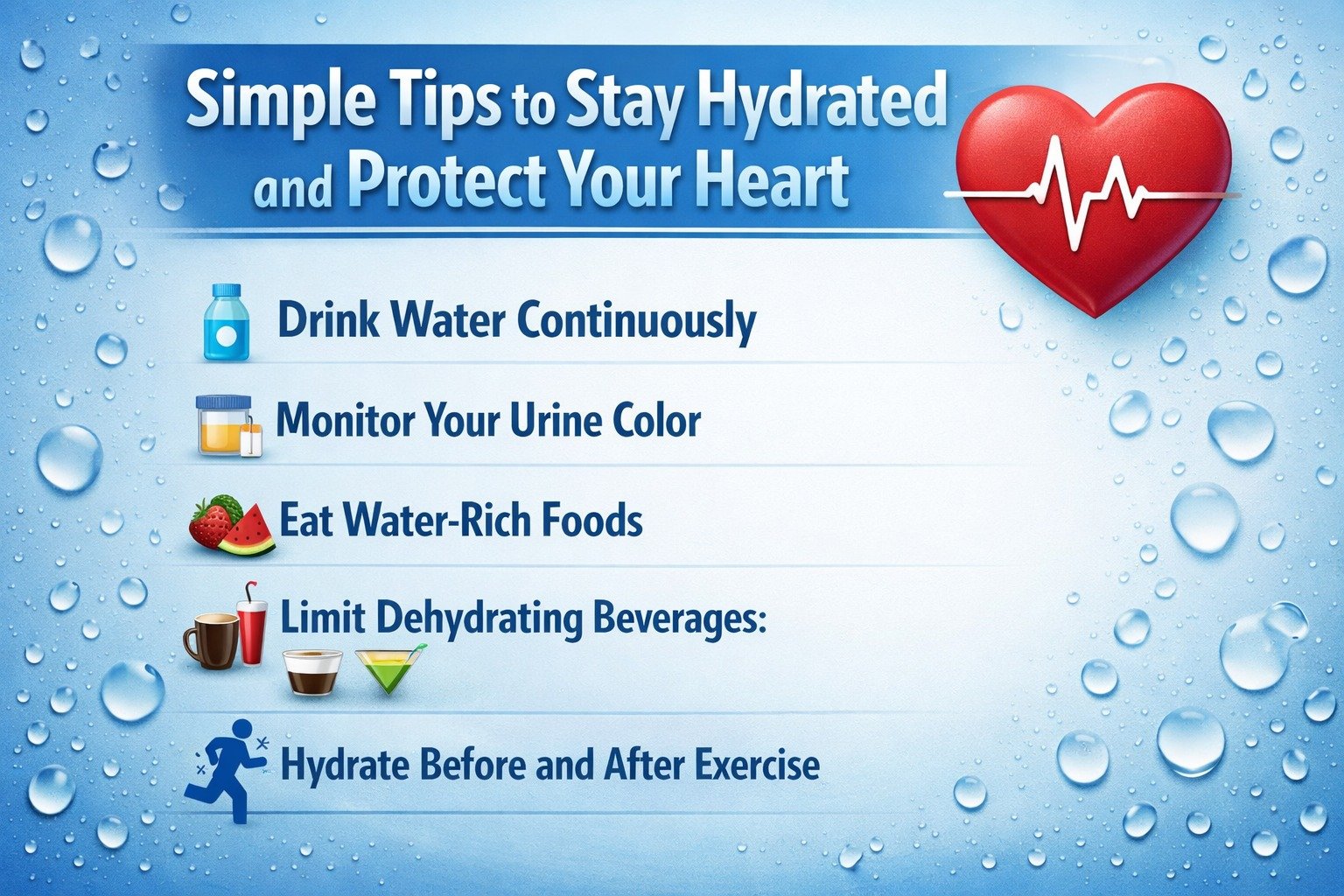
Protecting your heart from dehydration-related stress is simple and highly effective if you build consistent daily habits. Here are actionable tips to keep your fluid levels balanced:
Your heart works tirelessly every single second of the day to keep you alive. Staying well-hydrated is one of the easiest, cheapest, and most effective ways to support its function and reduce unnecessary cardiovascular strain. Make water your daily priority to maintain optimal blood volume and pressure. For personalized cardiac checkups, diagnostic tests, or advanced heart blockage treatments, do not hesitate to seek expert help. Schedule a consultation with Dr. Amit Patil today to secure your heart’s health for the future.