

If you are planning to undergo an angiography test soon, it is natural to feel curious and even slightly anxious about the procedure. Understanding the steps clearly can help you stay calm and confident. This guide explains what to expect during and after your angiography procedure, how to prepare, and what recovery looks like under the expert care of Dr. Amit Patil, one of the leading cardiac specialists in Chembur.
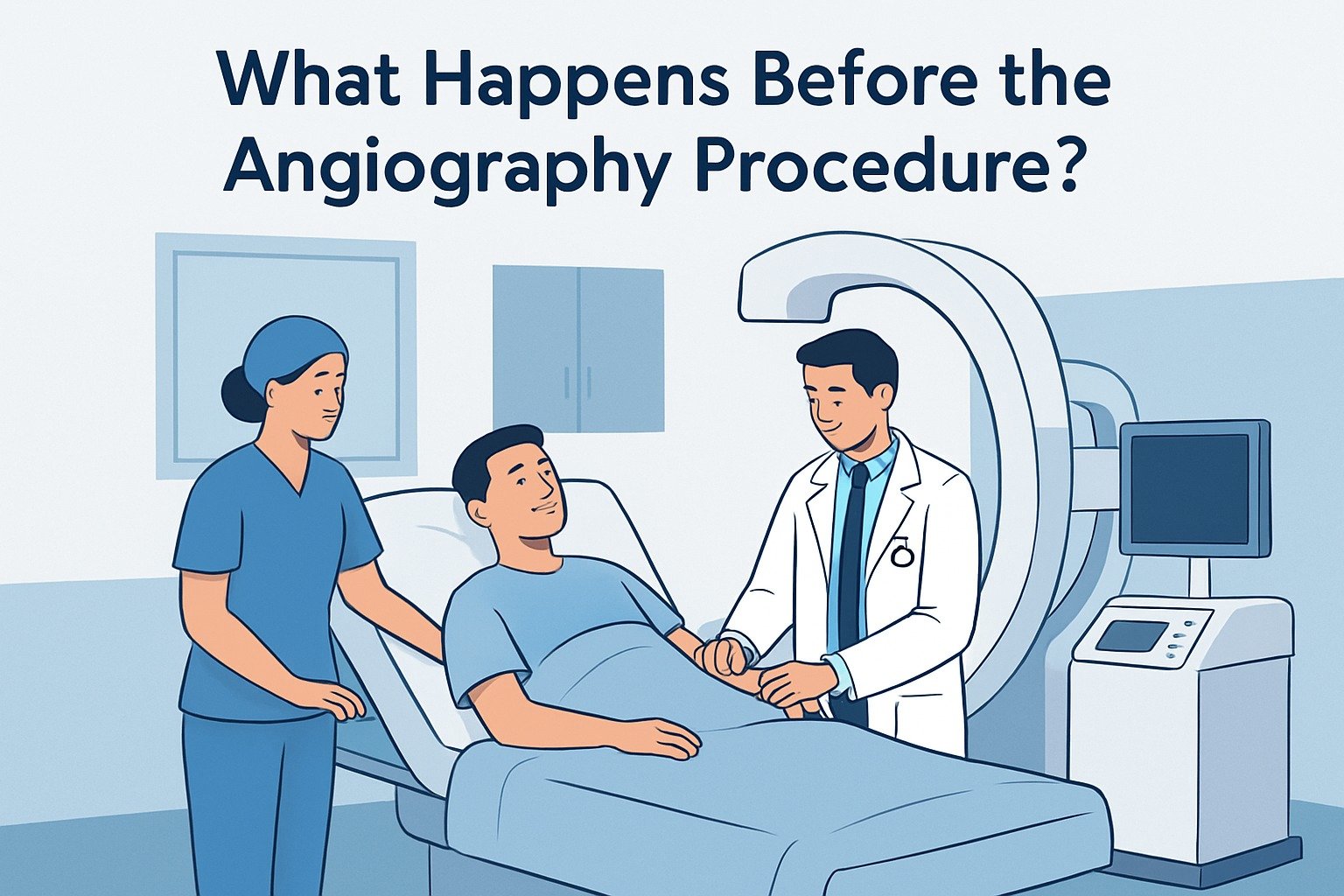
Before your angiography, your doctor will conduct a detailed health evaluation. This usually includes a physical examination, medical history review, and blood tests to check your kidney function and clotting levels. If you are already diagnosed with heart-related symptoms, the doctor may also advise tests like ECG or echocardiography.
Your doctor will explain the purpose of angiography—whether it is for diagnosing blockages, evaluating artery health, or planning treatment. If you require Best Angiography in Chembur consulting an experienced cardiologist ensures the right guidance and safe procedure.
You may also receive instructions such as:
This preparation stage ensures your angiography goes smoothly and safely.
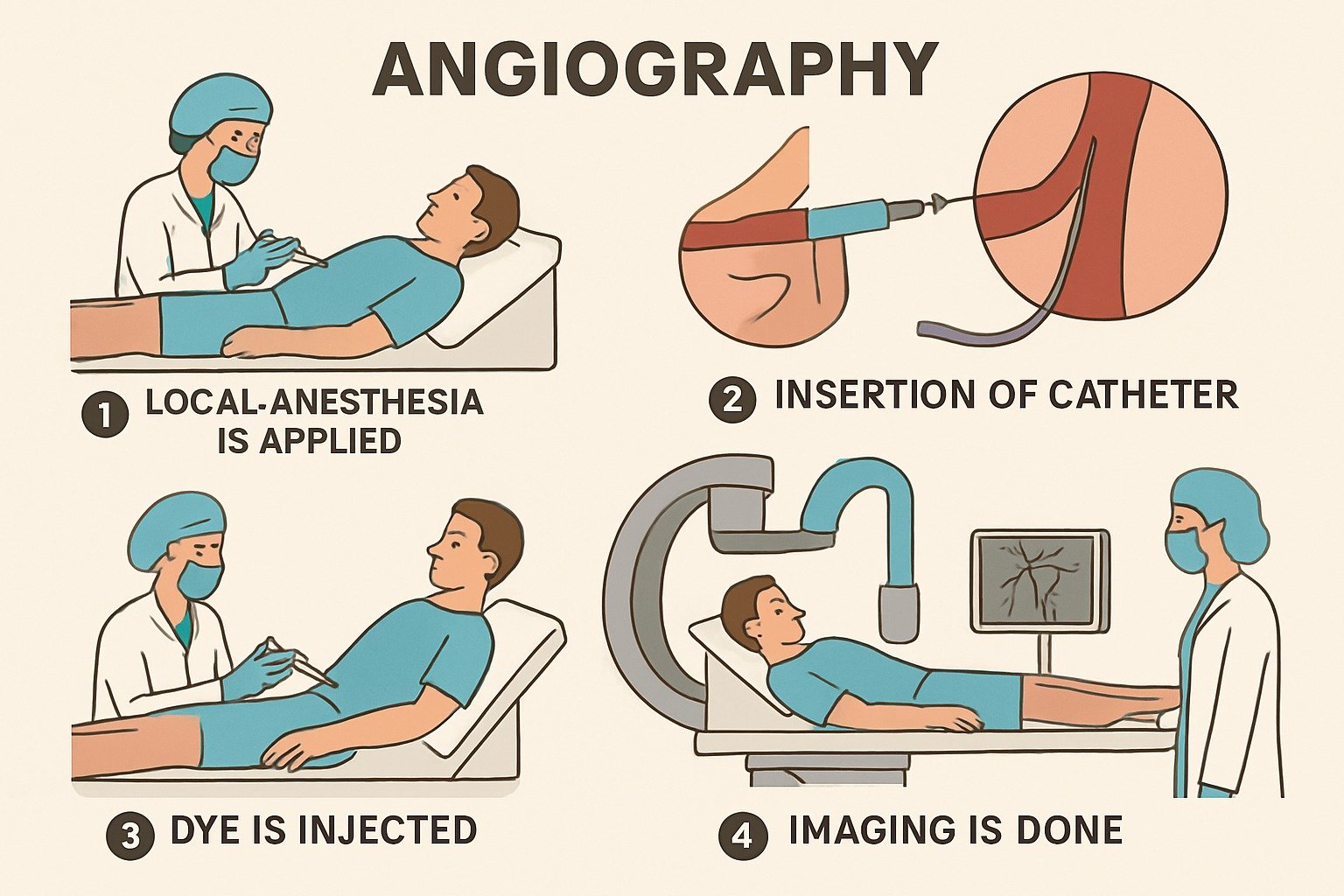
Angiography is a painless, minimally invasive procedure that helps doctors see blockages or narrowing in your blood vessels. During the test, you will be asked to lie on a table inside a special X-ray room. The doctor will clean and numb the area—usually the wrist or groin—where the catheter will be inserted.
A thin, flexible tube is gently guided through your arteries toward the heart or affected area. Once the catheter reaches the desired spot, the doctor injects a contrast dye, which helps your arteries become visible on the monitor. This imaging technique is extremely helpful in diagnosing heart-related conditions, especially for those needing Coronary Angiography in Chembur
You may feel a warm sensation in your body when the dye enters your bloodstream. This is completely normal and lasts only a few seconds. The entire procedure usually takes 20–40 minutes, depending on the complexity.
If you are recommended MR Angiography in Chembur the process uses magnetic resonance imaging instead of X-rays. Similarly, MRI Angiography in Chembur is preferred for patients who cannot take contrast dye.
Your doctor will give you specific instructions depending on your medical condition. General guidelines include:
A nurse may check your vitals, take blood samples, and insert an IV line to prepare you for the procedure. Preparation is usually smooth and painless.
Understanding the procedure reduces anxiety. Here’s what typically happens:
The angiography is performed in a specialized room known as a catheterization lab, equipped with advanced imaging machines.
A small area on your wrist or groin is numbed. You remain awake but relaxed.
A thin, flexible tube (catheter) is inserted into your artery.
A contrast dye flows through your blood vessels, making them visible on X-ray monitors.
Your doctor watches the blood flow in real-time to spot blockages.
Once imaging is complete, the catheter is removed, and pressure is applied to prevent bleeding.
The entire procedure usually takes 20–45 minutes.
If you are searching for the Best Hospital for Angiography in Chembur, you can explore the facility through this link:
Once the angiography is complete, the catheter is removed, and gentle pressure is applied to prevent bleeding. You will be moved to a recovery area where nurses monitor your pulse, blood pressure, and the injection site. Most patients remain under observation for 3–6 hours.
During the recovery stage, your doctor may discuss the results with you. If there are blockages, further tests or treatments may be advised. If your doctor recommended the test as part of a coronary angiography test in Chembur the discussion will include artery conditions and next steps.
You may feel slightly tired after the procedure. Mild bruising at the catheter site is normal and usually heals on its own. Drinking plenty of water helps your body flush out the contrast dye.
To learn more about trusted cardiac care, you can visit the internal link here:
Best Cardiac Surgeon in Chembur
Most patients can return to normal routine activities within 24–48 hours. However, you should avoid heavy lifting or strenuous exercise for a few days until the injection site heals completely.
Your doctor will give you personalized advice based on your overall health, test results, and lifestyle. Whether you underwent a basic test or something advanced like ct angiography heart in chembur your recovery instructions may vary.
If your angiography was done at the Best CT Angiography in Chembur facility, rest assured you’ll receive complete post-procedure care instructions.
Also, here is the external link for location help:
Best Heart Surgeon in Chembur
Many patients also worry about the financial aspect. The price may vary depending on the type of angiography, hospital facilities, and the patient’s condition. For example, the Best Hospital for Angiography in Chembur may have different pricing compared to small diagnostic centres.
The test price usually includes:
If you are trying to understand the Angiography cost in Chembur always check if the hospital includes all charges upfront. Some centres may offer packages that also include follow-up consultations.
For patients comparing options, knowing the Angiography test price in chembur can help them choose confidently.
In some cases, patients need advanced heart imaging, and in such situations, Angiography cost in chembur may differ due to the use of special equipment.
If you are still wondering about the cost of Angiography it is best to consult directly with the hospital. Transparent pricing ensures you understand what is included and what is not.
Regular heart check-ups help detect risk factors like high blood pressure, diabetes, or cholesterol early, reducing the chances of heart disease and stroke.
The check-up may include a physical exam, ECG, echocardiography, treadmill test, and blood investigations. Advanced procedures like coronary angiography may be recommended if needed.
Dr. Amit Patil is regarded as one of the best cardiologists in Chembur, offering preventive, diagnostic, and interventional cardiac care.
Even if you are healthy, it’s advisable to schedule a check-up once a year after the age of 40. High-risk individuals may need more frequent visits.
Yes. Regular exercise, a balanced diet, quitting smoking, and managing stress can greatly reduce the risk of heart problems and the need for advanced treatments.
Yes. Dr. Patil provides advanced treatments, including Coronary Angiography in Chembur, angioplasty, and pacemaker implantation, along with preventive cardiology care.