Heart blockage is one of the most common causes of heart attacks and serious cardiac problems. When arteries that supply blood to the heart become narrow or blocked due to plaque buildup, doctors may recommend a procedure called angioplasty to restore normal blood flow. Understanding when doctors recommend angioplasty can help patients seek timely treatment and prevent life-threatening complications.
In many cases, patients with chest pain, breathlessness, or heart attack symptoms may be advised to undergo this procedure. In this blog, we will explain when doctors recommend angioplasty for heart blockage, the symptoms that indicate the need for treatment, and how this procedure helps improve heart health
Angioplasty is a minimally invasive medical procedure used to open blocked or narrowed coronary arteries. During the procedure, a cardiologist inserts a small balloon through a catheter and inflates it inside the blocked artery. This helps widen the artery and restore blood flow to the heart muscle. Patients seeking advanced cardiac care often look for Best Angioplasty in Mumbai to ensure they receive treatment from experienced cardiologists using modern technology.
In most cases, a small mesh tube called a stent is also placed inside the artery to keep it open. Angioplasty is widely used to treat coronary artery disease and prevent heart attacks, helping patients recover faster and return to normal life with improved heart health.
If you are experiencing symptoms of heart blockage, consulting a Heart Specialist in Chembur can help determine whether angioplasty or other treatments are required.
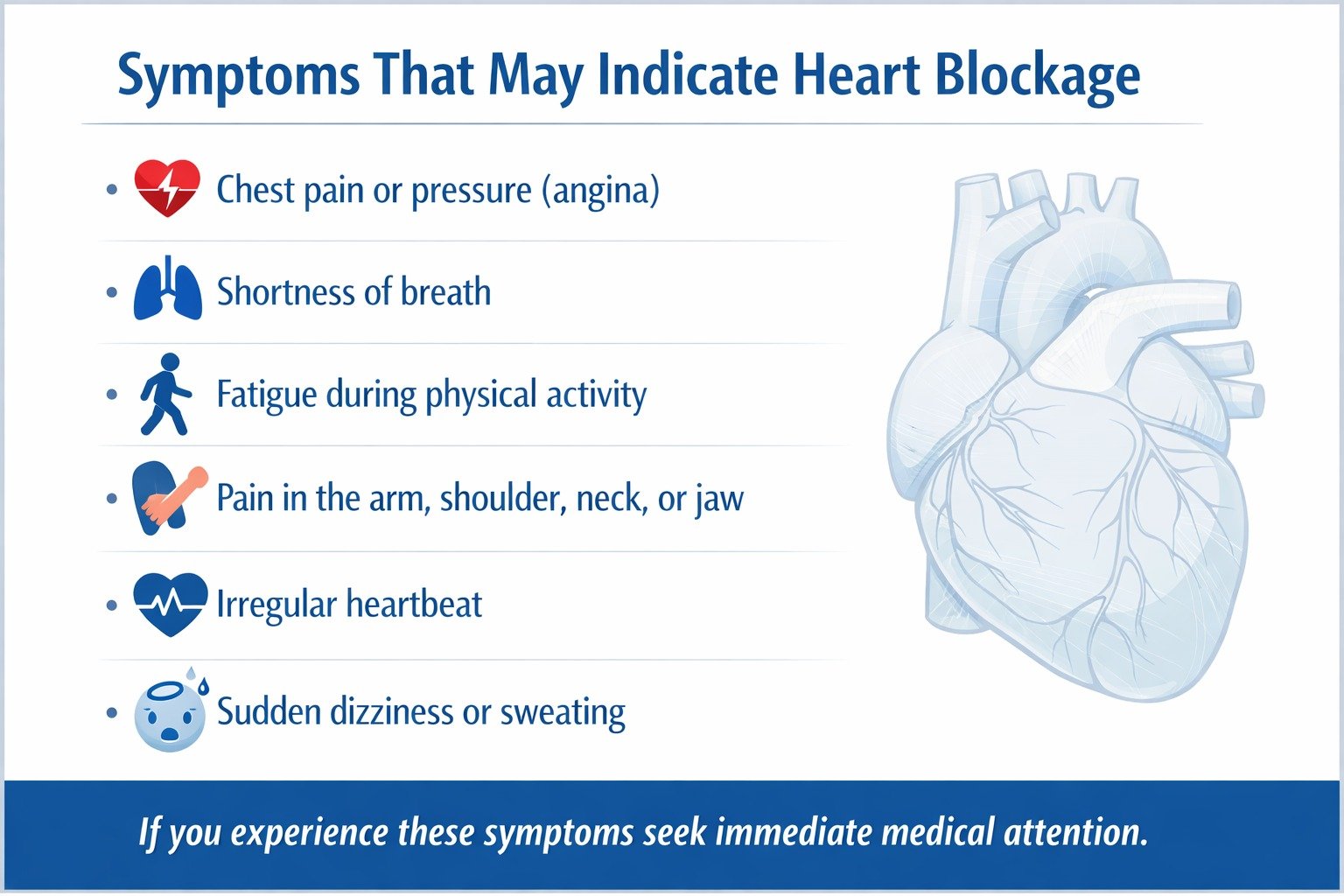
Heart blockages often develop slowly over time. Many people may not notice symptoms until the blockage becomes severe. Some common symptoms include:
These symptoms can signal reduced blood flow to the heart. If they occur frequently or worsen over time, doctors may recommend diagnostic tests such as angiography to check for blocked arteries.
Early diagnosis is crucial because untreated blockages can increase the risk of heart attack and heart failure.
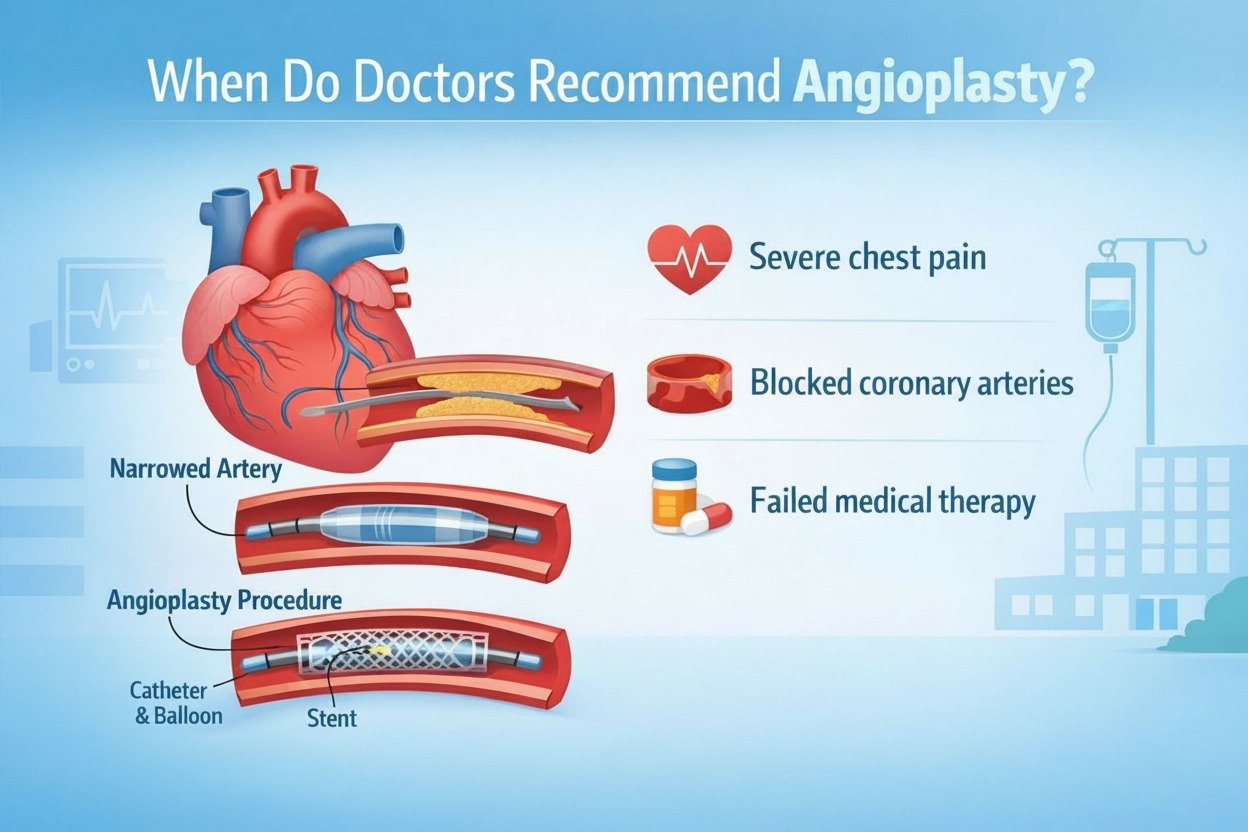
Doctors recommend angioplasty when coronary arteries become significantly narrowed or blocked and medications alone cannot effectively control the symptoms.
Here are the most common situations when angioplasty is recommended:
If diagnostic tests show a major blockage in one or more coronary arteries, angioplasty may be recommended to restore blood flow. This helps prevent further damage to the heart muscle.
Patients who experience ongoing chest pain despite taking medications may require angioplasty. Opening the blocked artery can significantly reduce angina symptoms and improve quality of life.
Angioplasty is often performed as an emergency procedure during a heart attack. Quickly opening the blocked artery can save heart tissue and reduce the risk of complications.
When tests such as stress tests or angiograms show reduced blood supply to the heart, angioplasty may be the best option to restore proper circulation.
Patients with diabetes, high blood pressure, or multiple artery blockages may be advised to undergo angioplasty to prevent serious heart problems.
If you are looking for the Best angioplasty surgeon in Mumbai or guidance from a best cardiologist for angioplasty in Mumbai early consultation with a cardiac expert is essential for proper diagnosis and treatment.
Before recommending angioplasty, cardiologists perform several tests to evaluate the condition of the heart and arteries.
Common diagnostic tests include:
Electrocardiogram (ECG)
This test records the electrical activity of the heart and helps detect abnormal rhythms or signs of heart damage.
Stress Test
A stress test shows how the heart performs during physical activity and helps identify areas with reduced blood flow.
Echocardiogram
This imaging test uses ultrasound to create pictures of the heart and assess its function.
Coronary Angiography
This is the most accurate test for detecting artery blockages. A contrast dye is injected into the arteries, and X-ray images are taken to identify narrowed areas.
After evaluating the test results, the cardiologist determines whether angioplasty or other treatments such as medication or bypass surgery are required.
Angioplasty offers several benefits for patients with heart blockages. Some of the key advantages include:
Because of these advantages, angioplasty has become one of the most commonly performed cardiac procedures worldwide.
Many patients also search for the best hospital for angioplasty in Mumbai to ensure they receive advanced treatment and expert care from experienced cardiologists.
Recovery after angioplasty is usually quick, but patients must follow certain precautions to maintain heart health.
Typical recovery guidelines include:
Following these steps can help prevent future blockages and improve overall heart health.
Patients should also continue routine check-ups with a cardiologist to monitor heart function and manage risk factors such as cholesterol, blood pressure, and diabetes
The Cost of angioplasty in Mumbai can vary depending on several factors, including the hospital, type of stent used, complexity of the blockage, and the patient’s medical condition.
On average, angioplasty in Mumbai may range between ₹1,50,000 and ₹3,50,000. Some insurance policies may cover part or all of the treatment cost.
Choosing an experienced angioplasty specialist in Mumbai and a well-equipped Best angioplasty Hospital in Mumbai ensures safe treatment and better recovery outcomes.
You should consult a cardiologist immediately if you experience symptoms such as:
Early evaluation can help detect heart problems before they become life-threatening.
Patients can also consult a trusted Cardiac Specialist in Chembur for expert diagnosis and personalized heart care.
Heart blockage is a serious condition that can lead to life-threatening complications if not treated on time. Angioplasty is a safe and effective procedure that helps restore blood flow to the heart and reduces the risk of heart attacks.
Understanding When Do Doctors Recommend Angioplasty for Heart Blockage? allows patients to recognize symptoms early and seek timely treatment. With proper diagnosis, advanced medical technology, and guidance from an experienced cardiologist, patients can recover quickly and lead a healthier life.
If you are experiencing symptoms of heart blockage or want expert advice on heart health, consulting an experienced cardiologist can help you receive the right treatment at the right time.