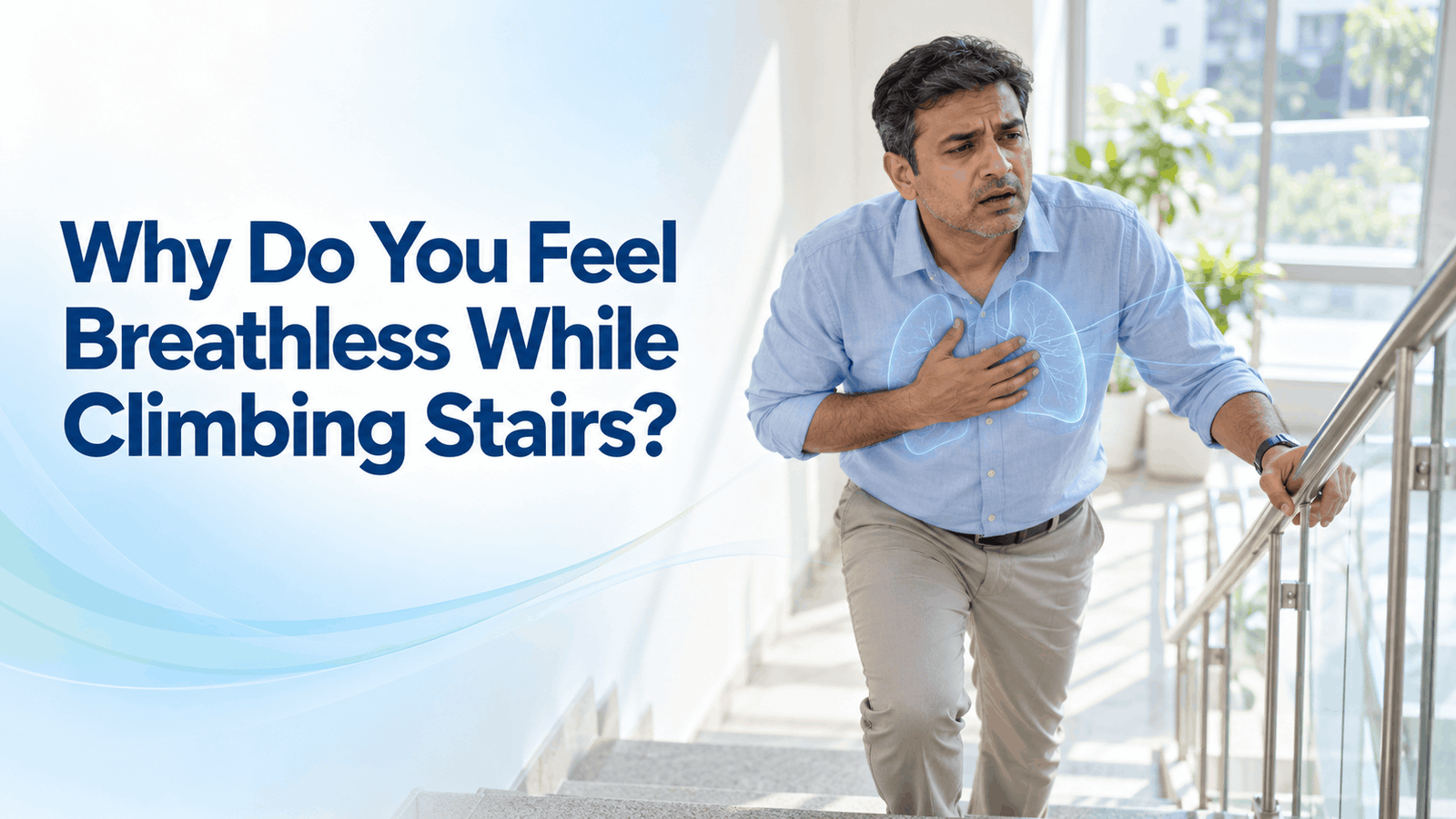
Do you feel breathless while climbing stairs, even when you are not doing any heavy physical activity? While mild breathlessness after exercise can be normal, getting out of breath after climbing a few steps may sometimes indicate an underlying health problem. Your heart and lungs work together to supply oxygen to your body. If either of them is not functioning properly, you may experience shortness of breath during everyday activities.
Understanding why you feel breathless while climbing stairs can help you identify possible warning signs and seek medical advice at the right time. In some cases, breathlessness may be related to heart rhythm problems that require evaluation by a cardiologist, such as Dr Amit Patil in Mumbai.
Breathlessness, also known as shortness of breath, can occur when your heart or lungs cannot supply enough oxygen to meet your body’s needs during physical activity. In some cases, it may be associated with heart rhythm disorders or other cardiovascular conditions. If an irregular heartbeat is causing symptoms, a pacemaker implantation in Mumbai may be recommended by a cardiologist when medically appropriate. A pacemaker helps regulate a slow or abnormal heart rate, improving the heart’s ability to maintain an adequate blood supply.
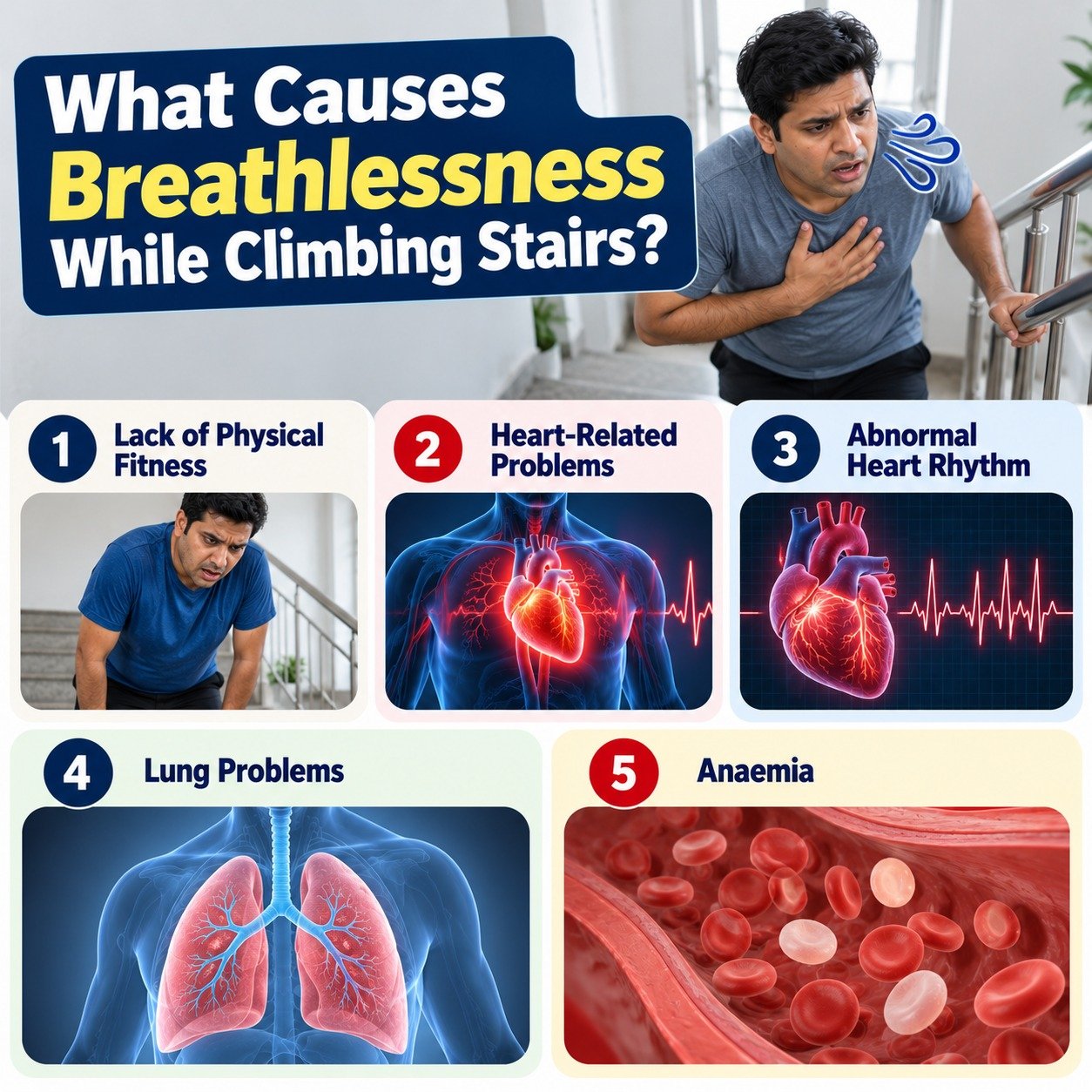
If you do not exercise regularly, your body may not be accustomed to physical activity. Climbing stairs increases your heart rate and breathing rate, which can make you feel breathless. This often improves gradually with regular, appropriate exercise.
Your heart pumps oxygen-rich blood throughout your body. When the heart cannot pump blood efficiently, you may experience breathlessness during everyday activities such as walking, climbing stairs, or carrying groceries. Heart conditions that may cause breathlessness include heart failure, coronary artery disease, and certain heart rhythm disorders. If an abnormal heart rhythm is contributing to your symptoms, a cardiologist may recommend a pacemaker procedure in Mumbai after evaluating your heart’s condition and determining the most appropriate treatment.
Your heart needs to beat at a regular rate to supply enough blood to your body. If your heartbeat becomes unusually slow, fast, or irregular, you may experience fatigue, dizziness, weakness, or breathlessness.
In some patients with specific slow-heart-rhythm conditions, a pacemaker may be recommended. A cardiologist can determine whether a pacemaker is appropriate after evaluating your symptoms and test results.
Asthma, chronic obstructive pulmonary disease (COPD), respiratory infections, and other lung conditions can make breathing difficult during physical activity. You may also notice coughing, wheezing, or chest tightness.
Anaemia occurs when your body does not have enough healthy red blood cells or haemoglobin to carry oxygen efficiently. It can cause tiredness, weakness, dizziness, and breathlessness, especially while climbing stairs.
Yes. An abnormal heart rhythm, also called an arrhythmia, can affect how effectively your heart pumps blood. If your heartbeat is too slow, your body may not receive enough oxygen-rich blood during physical activity, causing fatigue, dizziness, reduced exercise tolerance, and shortness of breath.
A cardiologist may recommend tests such as an electrocardiogram (ECG), Holter monitoring, an echocardiogram, or blood tests to identify the underlying cause. If a significant slow-heart rhythm is diagnosed, pacemaker device implantation in Mumbai may be considered to help regulate your heartbeat. However, not everyone who experiences breathlessness needs a pacemaker; treatment depends on the diagnosis and the severity of the condition.
A pacemaker is a small electronic medical device that helps regulate the heartbeat when the heart’s natural electrical system cannot maintain an appropriate rate.
The device is generally placed under the skin near the collarbone, with leads positioned in the heart when required. Some newer pacemakers are leadless and are implanted directly inside the heart.
A doctor may recommend pacemaker implantation for certain conditions, including symptomatic bradycardia (an abnormally slow heartbeat) and some types of heart block.
For patients diagnosed with a suitable heart rhythm condition, Heart Pacemaker in Mumbai services may be an important part of their treatment journey. The first step is a detailed cardiac evaluation to understand whether pacemaker implantation is necessary.
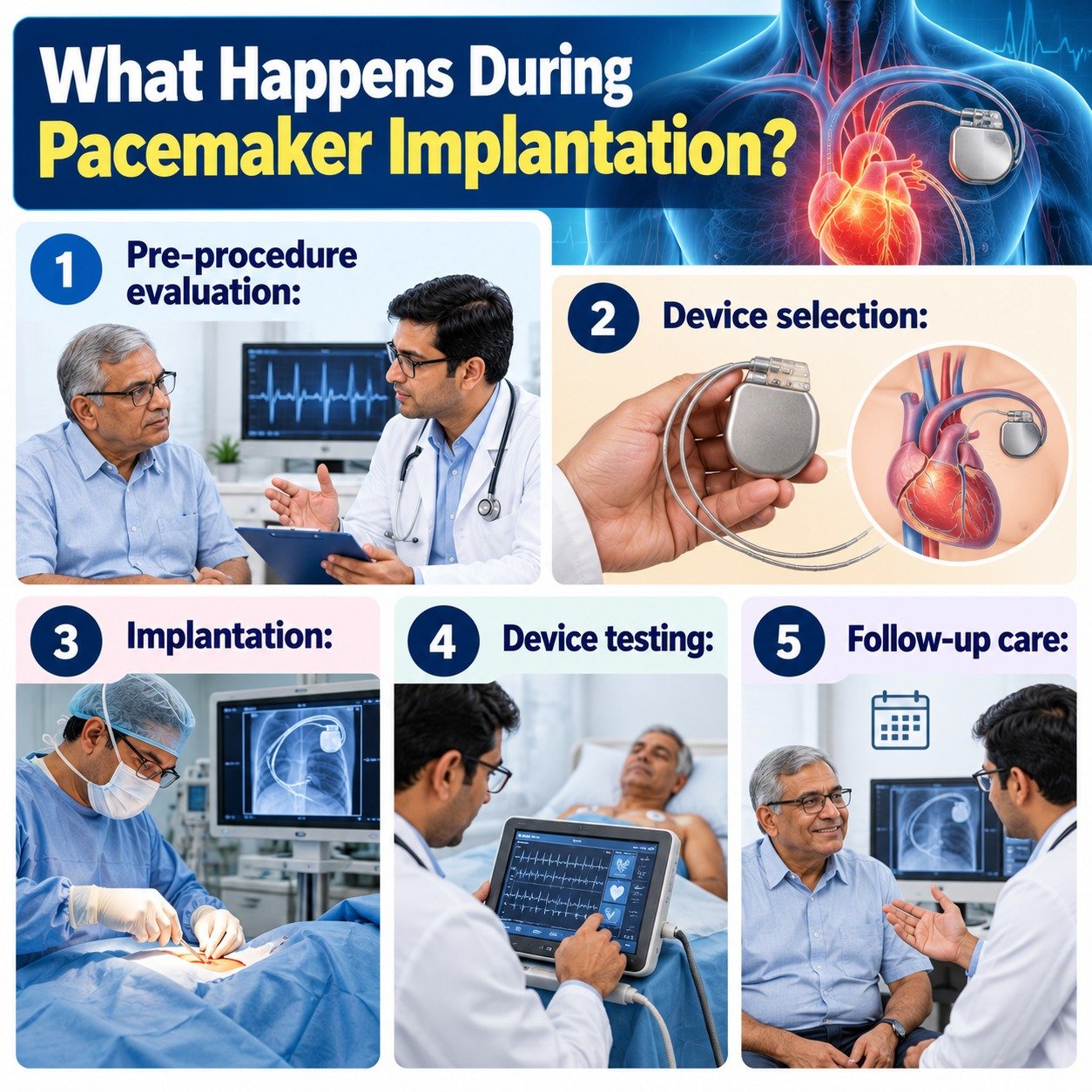
Pacemaker implantation is a medical procedure performed by a qualified cardiac specialist. The exact approach depends on the patient’s condition and the type of device required.
The procedure generally involves the following steps:
If your doctor recommends Heart pacemaker surgery in Mumbai ask about the procedure, expected recovery, possible risks, follow-up requirements, and the type of pacemaker best suited to your condition.
The pacemaker cost in Mumbai can vary depending on several factors, including the type of device, hospital facilities, doctor’s fees, diagnostic tests, and length of hospital stay.
Single-chamber, dual-chamber, and leadless pacemakers may have different costs. The patient’s medical condition and any additional treatment required can also affect the total expense.
Before proceeding with a pacemaker implant in Mumbai request a detailed cost estimate that explains the device price, procedure charges, hospital expenses, and follow-up costs. Your doctor or hospital billing team can provide an estimate based on your individual requirements.
Choosing an experienced cardiac specialist is important when you need evaluation for a heart rhythm problem. Look for a doctor who can explain your diagnosis, discuss available treatment options, and provide appropriate follow-up care.
When searching for the Best Doctor for pacemaker in Mumbai or the Best Doctor for pacemaker surgery in Mumbai consider the doctor’s relevant cardiac training, experience with pacemaker procedures, hospital facilities, and access to long-term device monitoring.
Similarly, when comparing the best hospital for pacemaker in Mumbai review the availability of cardiac services, emergency support, device follow-up, and transparent treatment estimates.
Dr Amit Patil can be a point of contact for discussing your cardiac concerns and understanding the next steps for evaluation. Confirm the doctor’s relevant qualifications and procedural experience when choosing a specialist for your specific treatment needs.
Pacemaker implantation and angioplasty treat different heart conditions.
A pacemaker helps regulate the heartbeat in certain electrical rhythm disorders. Angioplasty, on the other hand, opens narrowed or blocked coronary arteries to improve blood flow to the heart muscle.
If your symptoms may be related to coronary artery disease, you can learn more about treatment options at the best hospital for angioplasty.
You can also explore this cardiologist for angioplasty resource for additional information. The appropriate treatment depends on your diagnosis and should be decided after a medical evaluation.
Feeling breathless while climbing stairs can have several causes, ranging from a lack of physical fitness to heart or lung conditions. If the symptom occurs frequently, becomes worse, or is accompanied by dizziness, unusual fatigue, or an abnormal heartbeat, seek medical evaluation rather than ignoring it.
If a heart rhythm problem is identified, your cardiologist can explain whether medication, lifestyle changes, or pacemaker implantation may be appropriate. For patients considering Heart pacemaker surgery in Mumbai an accurate diagnosis, a clear understanding of treatment costs, and proper follow-up care are important steps towards better heart health.