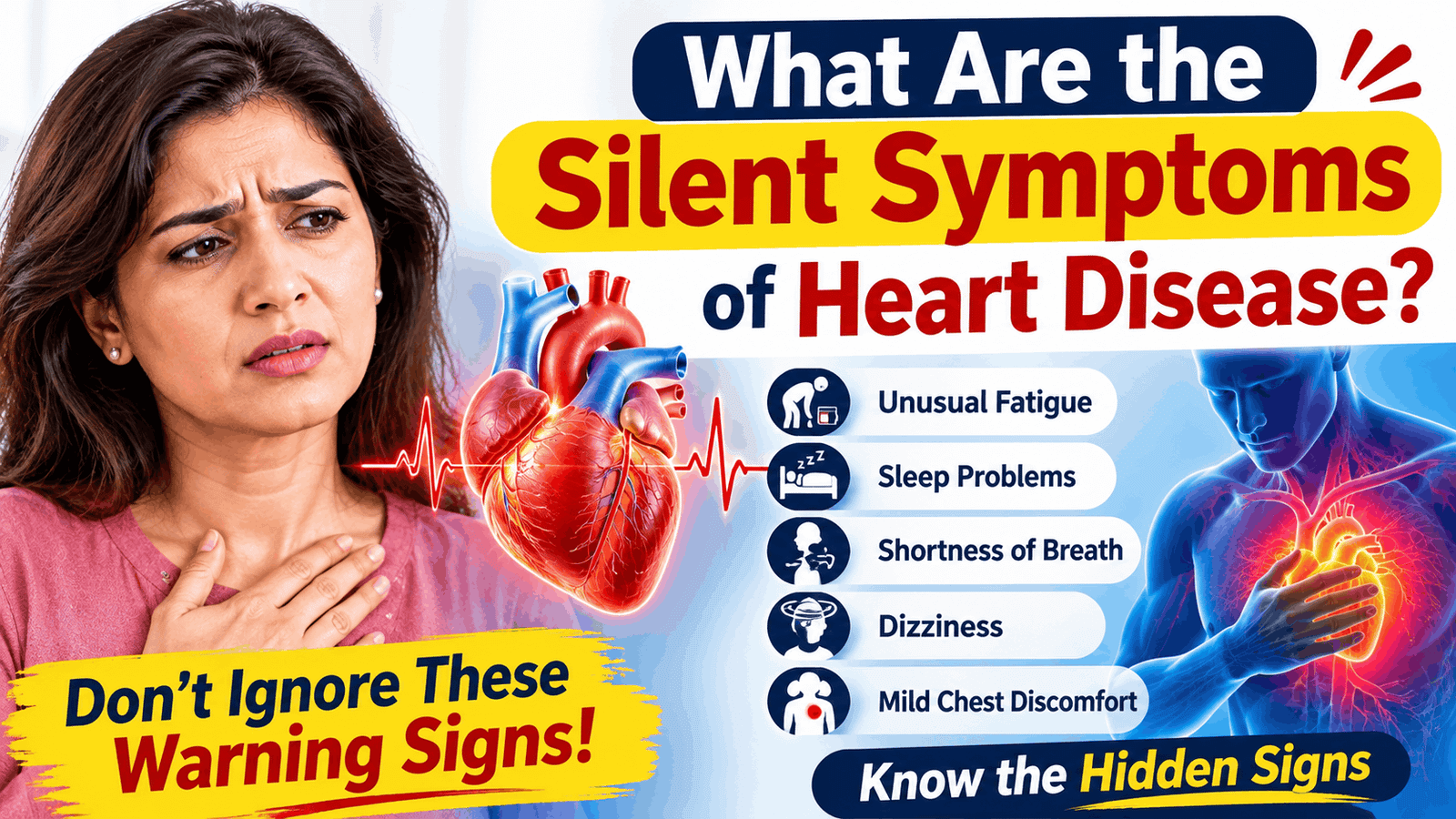
Heart disease does not always cause clear warning signs. Some people may have a heart problem without experiencing chest pain, breathing difficulty, or other noticeable symptoms. These hidden warning signs can develop slowly and may go unnoticed until the condition becomes serious. Understanding What Are the Silent Symptoms of Heart Disease? can help you recognise potential risks and seek medical advice at the right time.
Heart disease can affect people of different age groups, especially those with diabetes, high blood pressure, high cholesterol, obesity, or a family history of heart problems. Regular heart check-ups and timely tests can help identify problems early. If you are concerned about your heart health, consulting an experienced cardiologist such as Dr. Amit Patil in Mumbai can help you understand your risk and choose the right evaluation.
Depending on your symptoms and medical history, your doctor may recommend Coronary Angiography in Mumbai to examine the blood vessels supplying the heart and identify possible blockages. In certain cases, MR Angiography in Mumbai may also be recommended to create detailed images of blood vessels and help evaluate specific cardiovascular concerns. These investigations help doctors make informed decisions about further diagnosis and treatment.
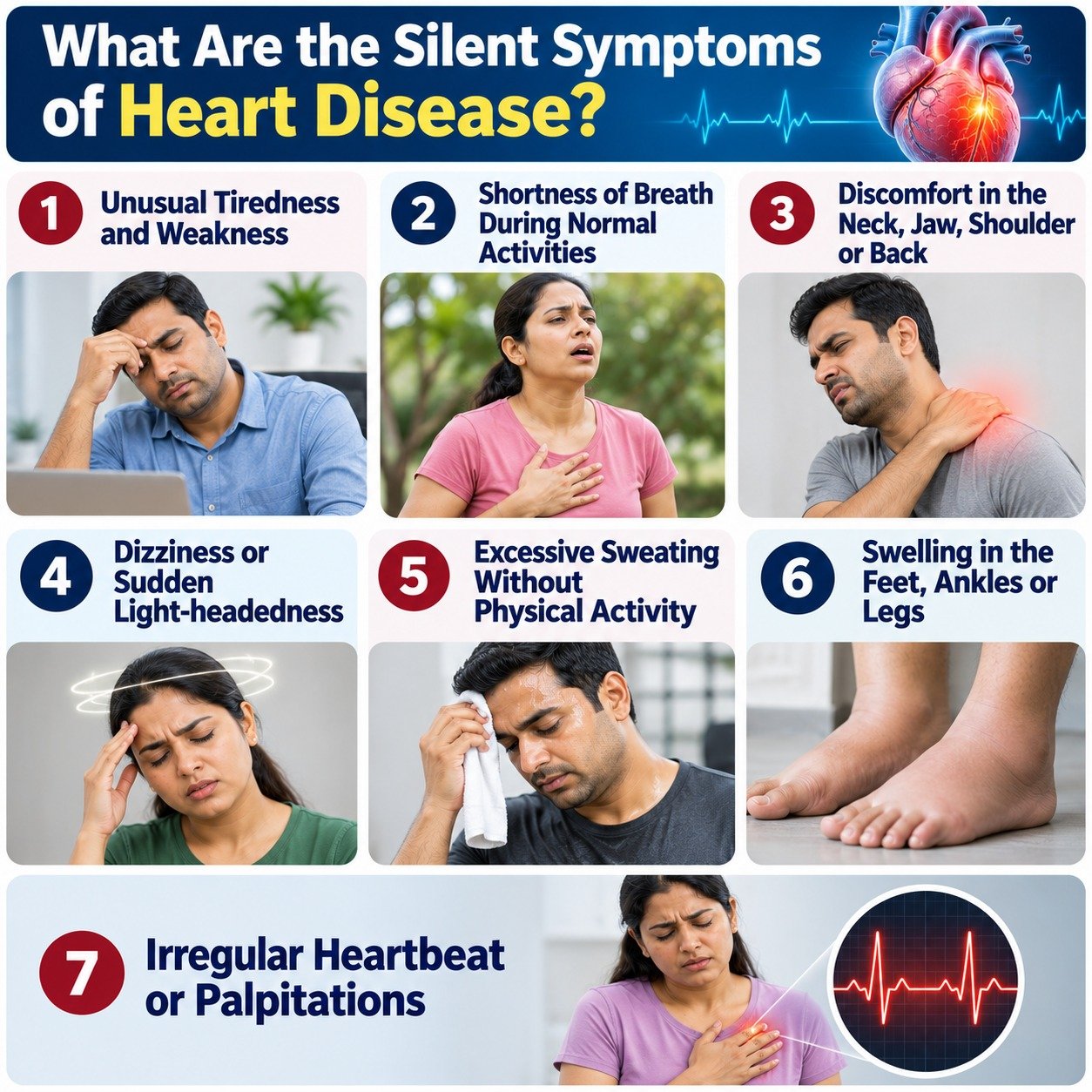
Silent symptoms are unusual changes in your body that may indicate an underlying heart problem but are not always recognised as heart-related. These symptoms may appear gradually or occur during physical activity.
Some people with coronary artery disease may experience reduced blood flow to the heart without typical chest pain. This is sometimes called silent myocardial ischaemia.
Here are some common warning signs you should not ignore.
Feeling tired after a long day is normal. However, constant tiredness without a clear reason may sometimes indicate an underlying heart problem. When the heart cannot pump blood efficiently, your body may not receive enough oxygen-rich blood, making everyday activities feel difficult.
If you experience persistent fatigue, your doctor may recommend cardiac investigations to understand your heart health. Depending on your symptoms, a coronary angiography test in Mumbai may help identify narrowed or blocked coronary arteries. In certain cases, MRI-based investigations, such as MRI Angiography in Mumbai may also be considered to assess blood vessels and circulation.
Watch for signs such as:
Persistent or unexplained fatigue should be discussed with a cardiologist, especially if you have other heart disease risk factors. The doctor will recommend appropriate tests based on your medical history and symptoms.
Breathlessness is another possible warning sign of heart disease. You may experience difficulty breathing while climbing stairs, walking, or performing simple household activities. This can happen when the heart struggles to pump blood effectively, sometimes causing fluid to build up in or around the lungs.
In such cases, doctors may recommend CT Angiography Heart in Mumbai to examine the blood vessels supplying the heart and identify possible blockages or narrowing. This advanced imaging test can help doctors evaluate coronary artery health and understand whether reduced blood flow could be contributing to symptoms.
Pay attention if you experience:
If your doctor suspects coronary artery disease, they may recommend Best CT Angiography in Mumbai facilities for detailed imaging and further evaluation.
Do not ignore sudden or severe breathing difficulty, as it may require emergency medical attention. CT angiography is recommended based on clinical evaluation and is not necessary for every person experiencing breathlessness.
Heart-related discomfort does not always occur in the centre of the chest. Sometimes, pain or pressure can spread to other parts of the body.
You may experience discomfort in the:
These symptoms may occur because the nerves carrying pain signals from the heart overlap with nerves in other body areas.
If unexplained discomfort occurs along with sweating, nausea, breathlessness, or weakness, seek immediate medical attention.
Frequent dizziness or feeling faint may sometimes be linked to an irregular heartbeat or reduced blood flow.
When the heart does not maintain a normal rhythm or pump enough blood, the brain may receive less oxygen-rich blood.
Possible symptoms include:
Sudden fainting, particularly with chest discomfort or breathlessness, needs urgent medical evaluation.
Sweating during exercise or hot weather is normal. However, sudden cold sweating without physical activity can sometimes be a warning sign of a heart attack.
It may occur along with nausea, weakness, chest pressure, or breathing difficulty.
If you experience unexplained cold sweating with these symptoms, do not wait for them to disappear. Seek emergency medical care.
Swelling in the lower body can sometimes indicate that the heart is not pumping blood effectively.
When blood circulation becomes less efficient, fluid may collect in the legs, ankles, and feet.
Common signs include:
Although several conditions can cause swelling, persistent or unexplained swelling should be checked by a doctor.
An irregular heartbeat can feel like your heart is racing, fluttering, skipping beats, or pounding unusually fast.
Occasional palpitations may not be serious. However, frequent episodes may indicate an underlying rhythm problem.
You should consult a doctor if palpitations occur with dizziness, chest discomfort, fainting, or breathlessness.
Some people have a higher chance of developing heart disease, even when they feel healthy.
Important risk factors include:
People with these risk factors should discuss appropriate heart screening with their doctor, even if they do not experience noticeable symptoms.
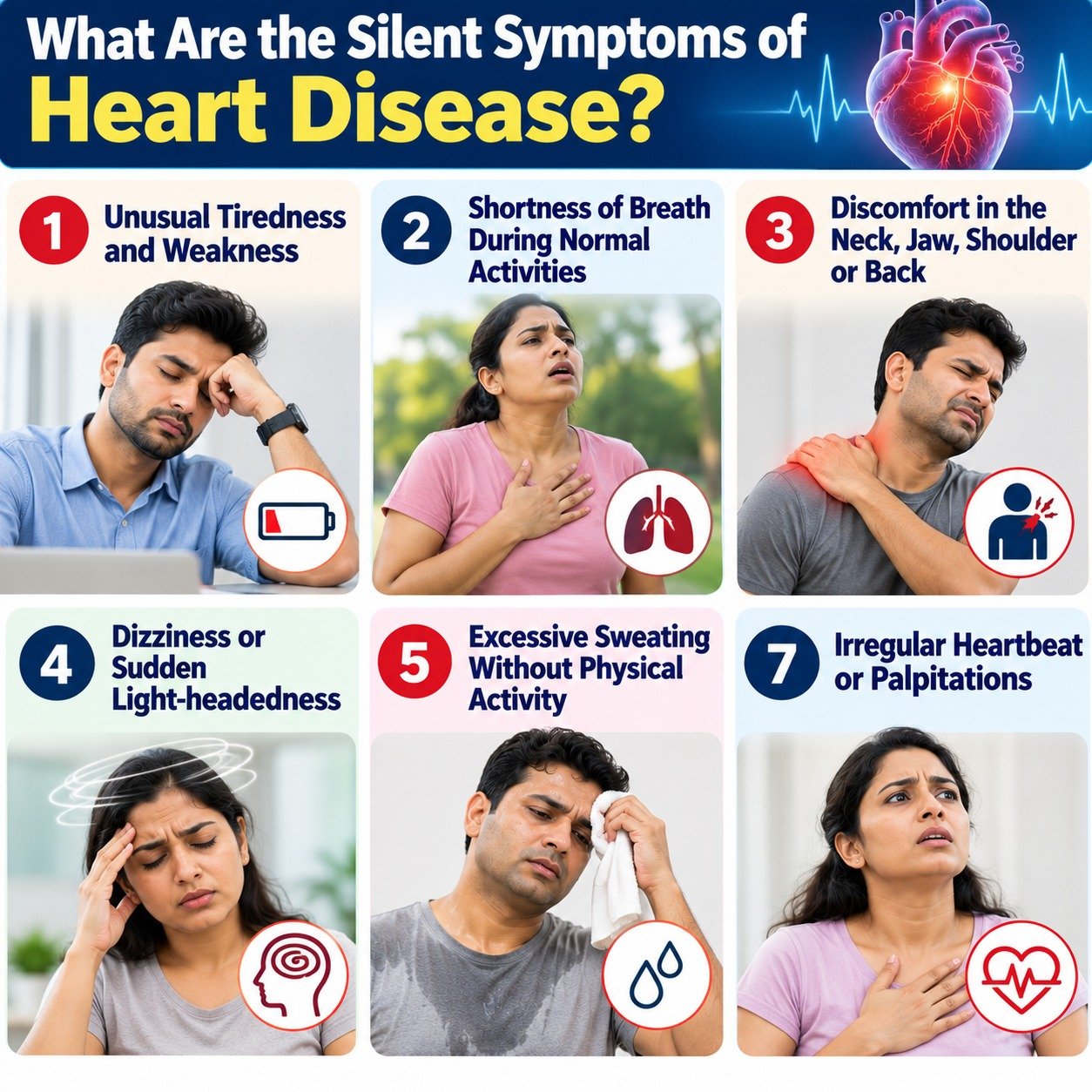
Doctors may recommend different tests depending on your symptoms, medical history, and risk factors.
Some commonly used investigations include:
Depending on your condition, your doctor may also recommend MRI or MR angiography to assess blood vessels and related structures.
If you need information about Coronary Angiography in Chembur you can explore the procedure, its purpose, and available evaluation options. You can also find the coronary angiography test location in Chembur for further assistance.
Pacemaker implantation is a medical procedure performed by a qualified cardiac specialist. The exact approach depends on the patient’s condition and the type of device required.
The procedure generally involves the following steps:
If your doctor recommends Heart pacemaker surgery in Mumbai ask about the procedure, expected recovery, possible risks, follow-up requirements, and the type of pacemaker best suited to your condition.
Early diagnosis helps doctors identify potential heart problems before serious complications develop.
If a person has narrowing or blockage in the coronary arteries, timely evaluation can help determine the right treatment.
Early medical attention can help:
If you are searching for the Best Angiography in Mumbai remember that the right investigation depends on your medical condition and your cardiologist’s recommendation.
The choice between a coronary angiography test, CT angiography, or another imaging investigation should be based on your symptoms and clinical findings.
The Angiography cost in Mumbai depends on several factors, including the type of procedure, hospital facilities, diagnostic requirements, and whether additional treatment is needed.
For example, conventional coronary angiography and CT angiography are different procedures and have different costs.
The overall Angiography test price in Mumbai may vary depending on:
If you are comparing the cost of Angiography consult the hospital directly for an accurate estimate. Do not choose a medical facility based only on price. Consider the doctor’s experience, available facilities, and quality of care.
Healthy lifestyle habits can help protect your heart and reduce cardiovascular risk.
Follow these simple steps:
People with diabetes, high blood pressure, or a family history of heart disease should pay particular attention to preventive heart care.
Heart disease does not always produce obvious symptoms. Unexplained tiredness, breathlessness, dizziness, excessive sweating, and swelling may sometimes indicate an underlying cardiovascular problem.
If you notice unusual symptoms or have risk factors for heart disease, do not delay medical evaluation. Dr. Amit Patil can guide patients regarding appropriate heart investigations and further medical care.
If you are looking for information about Best Hospital for Angiography in Mumbai or coronary artery evaluation, seek medical advice to understand which test is suitable for your condition.
Early diagnosis, appropriate treatment, and regular monitoring can make an important difference in maintaining long-term heart health.