Diabetes is one of the leading health conditions affecting millions of people worldwide. Many people know that diabetes affects blood sugar levels, but very few understand that it can also seriously damage the heart. Understanding How Diabetes Increases the Risk of Heart Disease is important because early prevention can help save lives and improve long-term health.
People with diabetes are more likely to develop heart-related problems such as heart attack, stroke, blocked arteries, and high blood pressure. Maintaining healthy blood sugar levels, following a balanced lifestyle, and getting regular heart checkups can reduce these risks significantly. If you are looking for guidance from the Best Cardiologist in Mumbai consulting an experienced specialist can help you manage both diabetes and heart health effectively.
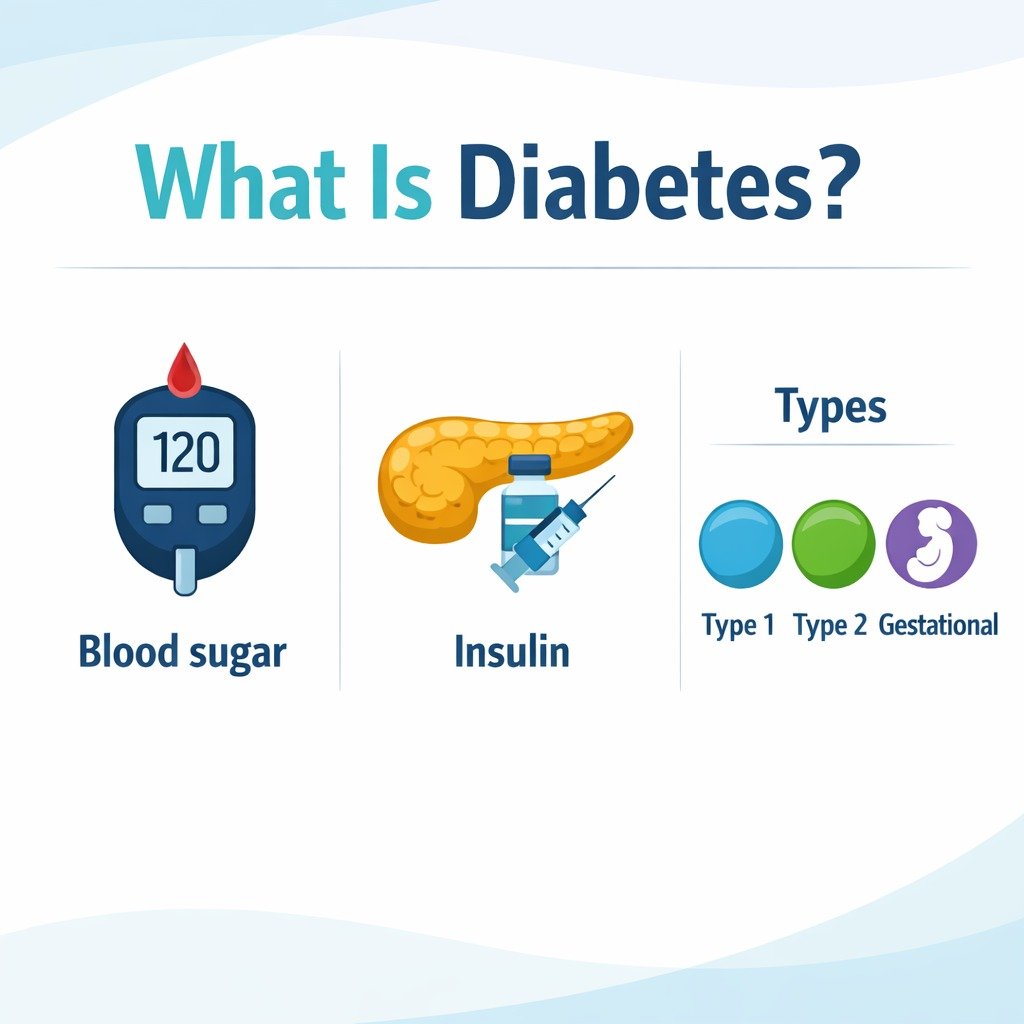
Diabetes is a condition where the body either does not produce enough insulin or cannot use insulin properly. Insulin helps move sugar from the bloodstream into the cells for energy. When insulin does not work correctly, sugar builds up in the blood.
There are mainly two common types of diabetes:
Type 2 diabetes is more common and is often linked to obesity, unhealthy eating habits, stress, and lack of physical activity.
Many people ask why diabetes affects the heart. The answer is simple. High blood sugar levels damage blood vessels and nerves over time. The heart depends on healthy blood vessels to supply oxygen-rich blood throughout the body. When these vessels become damaged, the risk of heart disease increases.
A skilled Cardiologist in Mumbai can identify early warning signs and help prevent severe complications before they become dangerous.
High blood sugar damages the inner lining of blood vessels. This damage makes it easier for fatty deposits to build up in the arteries. Over time, the arteries become narrow and hard, reducing blood flow to the heart.
This condition is called atherosclerosis and is one of the major causes of heart attacks.
People with diabetes often develop high blood pressure. When blood pressure remains high for a long time, the heart has to work harder to pump blood. This extra pressure weakens the heart and increases the risk of cardiovascular disease.
Consulting a Heart Specialist in Mumbai can help monitor blood pressure and heart function regularly.
Diabetes can increase bad cholesterol (LDL) and lower good cholesterol (HDL). High cholesterol contributes to plaque buildup inside the arteries, increasing the chances of blocked arteries and heart attacks.
Many people with Type 2 diabetes are overweight. Excess body weight puts additional strain on the heart. Lack of exercise further increases the risk of obesity, high blood pressure, and poor circulation.
Regular physical activity helps improve blood sugar levels and strengthens the heart.
Diabetes can cause chronic inflammation inside the body. Inflammation damages blood vessels and increases the likelihood of clot formation. Blood clots can block arteries and lead to serious heart complications.
An experienced Interventional cardiologist in Mumbai can evaluate blocked arteries and provide advanced treatment options when required.
People with diabetes may develop several heart-related conditions, including:
Early diagnosis plays an important role in reducing complications. Seeking advice from the Best Heart Doctor in Mumbai can help patients maintain better cardiovascular health.
Many diabetic patients ignore early symptoms of heart disease. However, recognizing these warning signs can help prevent severe complications.
If you experience these symptoms, immediate medical attention is important.
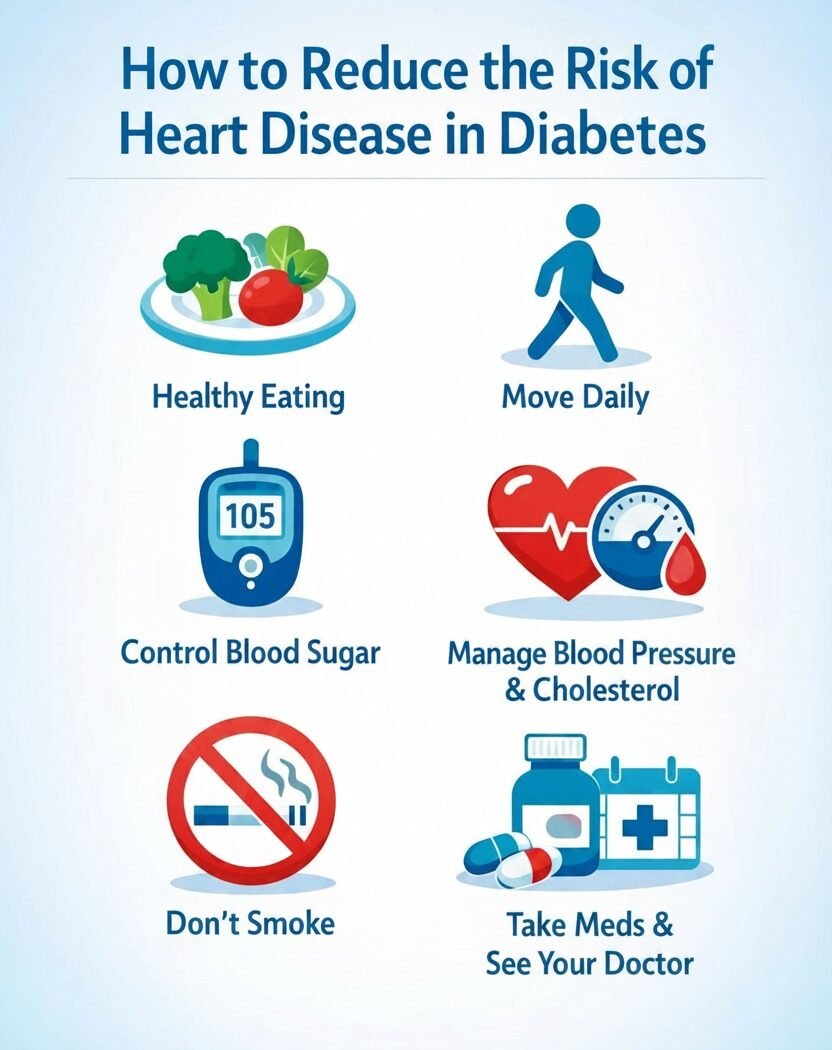
The good news is that heart disease risk can be reduced with proper lifestyle management and medical care.
Maintaining stable blood sugar levels is one of the most important steps. Follow your doctor’s advice regarding medications, diet, and exercise.
A healthy diet helps control both diabetes and heart disease risk.
Include:
Avoid:
Regular exercise improves blood circulation, strengthens the heart, and helps maintain healthy weight. Walking, cycling, yoga, and swimming are excellent options.
Smoking damages blood vessels and significantly increases the risk of heart attack and stroke in diabetic patients.
Routine health checkups can detect early heart problems before they become severe. Visiting the Best interventional cardiologist in Mumbai for timely evaluation can help protect your heart health.
Many heart diseases develop slowly and may not show symptoms initially. Regular screenings such as ECG, blood pressure monitoring, cholesterol tests, and stress tests are important for diabetic patients.
A qualified Cardiac Specialist in Mumbai can recommend the right diagnostic tests based on your condition and family history.
Modern cardiology offers several advanced treatments for diabetic patients with heart problems. Depending on the severity of the condition, treatments may include:
If surgery is required, consulting the Best Cardiac Surgeon in Mumbai or Best Heart Surgeon in Mumbai ensures proper treatment and recovery support.
Patients with severe blockages may also require treatment from a Top Cardiac Surgeon in Mumbai who specializes in complex cardiac procedures.
Lifestyle improvements are one of the most effective ways to prevent diabetes-related heart disease. Small daily habits can make a big difference over time.
Helpful habits include:
A proactive approach toward health can reduce the need for complicated medical procedures later in life.
You should consult a heart specialist if you:
A trusted Best Cardiac Doctor in Mumbai can provide personalized guidance for prevention and treatment.
Understanding How Diabetes Increases the Risk of Heart Disease is essential for protecting long-term health. Diabetes can damage blood vessels, increase cholesterol levels, raise blood pressure, and lead to serious heart complications if not managed properly.
The good news is that with healthy lifestyle changes, regular exercise, proper medications, and routine medical checkups, the risk of heart disease can be reduced significantly. Early diagnosis and expert care play a major role in preventing complications and improving quality of life.
If you or your loved ones have diabetes and heart-related concerns, consulting an experienced cardiology expert can help ensure better heart health and overall wellness.