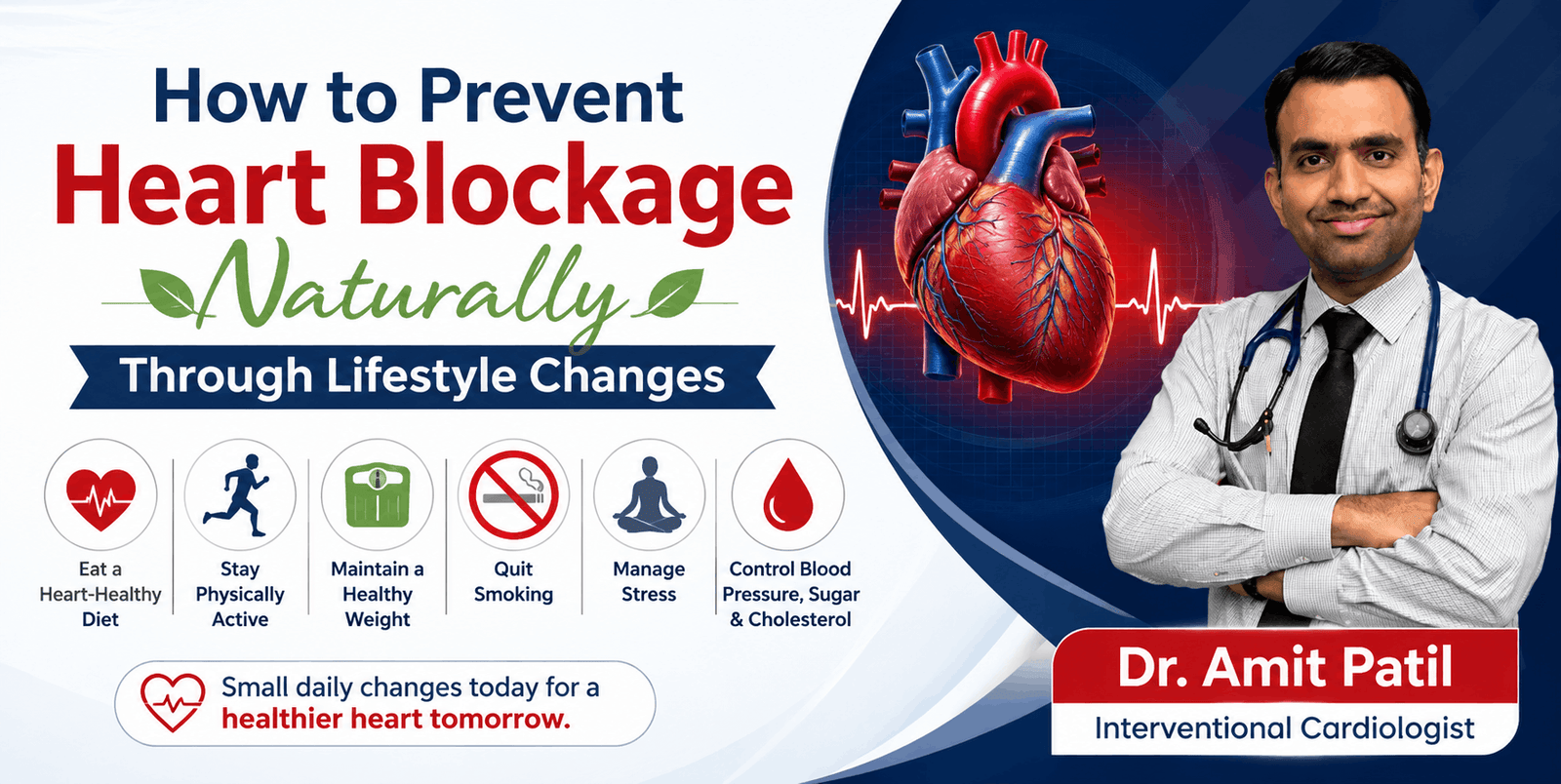
Heart blockage is often linked to the buildup of plaque inside the arteries that supply blood to the heart. While some risk factors cannot be changed, healthy daily habits can help reduce the risk of coronary artery disease and support better heart health. If you are searching for How to Prevent Heart Blockage Naturally Through Lifestyle Changes, the most important steps include eating a balanced diet, staying physically active, maintaining a healthy weight, managing stress, avoiding tobacco, and keeping conditions such as diabetes and high blood pressure under control.
For people living in Mumbai, regular heart check-ups can also help identify risk factors early. Consulting a qualified cardiology professional can help you understand your personal heart health and choose appropriate preventive measures.
Heart blockage commonly develops when cholesterol, fat, calcium, and other substances accumulate inside the coronary arteries. This process is known as atherosclerosis. Over time, the buildup can narrow the arteries and reduce blood flow to the heart.
Several factors can increase the risk, including:
Some people may have significant artery disease without obvious symptoms. This is why prevention and timely medical evaluation are important.

Lifestyle changes cannot guarantee that an existing blockage will disappear. However, they can help reduce cardiovascular risk and support overall heart health. Here are some practical steps you can follow.
Your daily diet plays an important role in maintaining heart health. Include more vegetables, fruits, whole grains, pulses, beans, nuts, seeds, and other nutritious foods in your meals. For personalized heart-health guidance, consulting the Best Heart Doctor in Mumbai can help you understand suitable dietary choices based on your individual needs.
Choose healthy sources of protein and limit foods high in saturated fats, trans fats, excess salt, and added sugar. Reduce deep-fried foods, processed snacks, sugary drinks, and highly processed foods. A balanced diet can support healthy cholesterol, blood pressure, blood sugar, and body weight.
Regular physical activity helps improve cardiovascular fitness and can support healthy blood pressure, cholesterol, and weight. For personalized guidance, consulting a Top Cardiac Surgeon in Mumbai can help you understand which activities are appropriate for your heart health and individual needs.
Adults should generally aim for regular moderate-intensity physical activity, such as brisk walking, cycling, swimming, or other suitable exercises. Start gradually if you have not exercised for a long time, and increase activity at a comfortable pace.
If you already have heart disease, chest discomfort, breathlessness, or other concerning symptoms, speak with a doctor before starting a new exercise routine.
3. Maintain a Healthy Weight
Being overweight or obese can increase the risk of high blood pressure, diabetes, high cholesterol, and heart disease. Maintaining a healthy weight through a nutritious diet and regular exercise can help reduce several heart-related risk factors. If you are concerned about your heart health, consulting the Best Cardiac Doctor in Mumbai can help you understand your risk factors and receive personalized guidance. Instead of following extreme diets, focus on sustainable eating habits and regular physical activity that you can maintain over the long term.
Smoking damages blood vessels and significantly increases the risk of heart disease. Tobacco use can also contribute to plaque formation and other cardiovascular problems.
If you smoke or use tobacco, quitting is one of the most important lifestyle changes you can make for your heart. Avoiding second-hand smoke is also beneficial.
High blood pressure and high cholesterol may not cause noticeable symptoms, but both can increase the risk of coronary artery disease.
Get your blood pressure and cholesterol checked as recommended by your healthcare professional. If medication is prescribed, take it as directed and do not stop it without medical advice.
Regular monitoring can help identify changes early and support better long-term heart health.
High blood sugar over a long period can damage blood vessels and increase the risk of cardiovascular disease.
If you have diabetes, follow your doctor’s advice regarding diet, exercise, blood sugar monitoring, and medicines. Maintaining good blood sugar control is an important part of protecting your heart.
Long-term stress can affect your overall health and may contribute to unhealthy habits such as overeating, smoking, physical inactivity, or poor sleep.
Simple activities such as walking, breathing exercises, meditation, hobbies, and spending time with family can help manage everyday stress.
Good-quality sleep is also important. Try to maintain a regular sleep schedule and aim for adequate sleep each night.

Lifestyle changes can help slow the progression of atherosclerosis and reduce cardiovascular risk, but they should not be considered a guaranteed natural cure for an existing artery blockage.
If a person has symptoms such as chest pain, pressure in the chest, unusual sweating, shortness of breath, dizziness, or pain spreading to the arm, shoulder, jaw, or back, medical evaluation should not be delayed.
Depending on the person’s symptoms and risk factors, a doctor may recommend tests to assess heart health. A coronary angiography test may be recommended in selected cases to evaluate the coronary arteries.
You should consider a cardiac evaluation if you have persistent chest discomfort, unexplained breathlessness, abnormal cholesterol or blood pressure levels, diabetes, a strong family history of heart disease, or other cardiovascular risk factors.
People looking for a Cardiologist in Mumbai can consult a qualified specialist for an individual assessment rather than relying only on home remedies or lifestyle changes.
A Heart Specialist in Mumbai can evaluate your symptoms, medical history, risk factors, and test results and recommend appropriate care.
Prevention is not only about diet and exercise. Regular medical check-ups can help identify conditions that may increase the risk of heart disease.
Depending on your age, health history, and risk factors, your doctor may recommend blood pressure monitoring, cholesterol testing, blood sugar testing, ECG, or other investigations.
If further evaluation of the coronary arteries is needed, you can learn more about coronary angiography and discuss whether it is appropriate for your situation with your doctor.
When selecting a doctor, consider qualifications, experience, treatment approach, hospital facilities, and the type of cardiac care you may need. Searching for the Best Cardiologist in Mumbai should be based on your specific medical requirements rather than rankings alone.
Patients who require procedures may also need an Interventional cardiologist in Mumbai particularly when catheter-based evaluation or treatment is being considered.
For surgical cardiac conditions, patients may be referred to a Cardiac Specialist in Mumbai or an experienced cardiac surgeon after a detailed evaluation.
Learning how to prevent heart blockage naturally through lifestyle changes starts with consistent everyday habits. Eat nutritious food, exercise regularly, maintain a healthy weight, avoid tobacco, manage stress, sleep well, and keep blood pressure, cholesterol, and diabetes under control. Consulting the Best Cardiac Surgeon in Mumbai can also help you understand your heart health and risk factors.
Most importantly, lifestyle changes should complement—not replace—professional medical care. If you experience heart-related symptoms or have several risk factors, consult the Best Heart Surgeon in Mumbai for timely evaluation and personalized guidance.